Milton struck Florida’s Gulf Coast as a powerful Category 3 hurricane on October 9, 2024。bringing destructive winds, flooding rain and a wave of tornadoes across the state. The storm made landfall near Siesta Key, south of Tampa Bay, with maximum sustained winds of about 120 mph. Milton weakened as it crossed the peninsula, but its broad wind field continued to affect communities far from the center. Power lines fell across neighborhoods, roofs were torn open and roads disappeared under standing water. The storm’s arrival forced more than a million residents to evacuate or shelter in place, while airports, schools and businesses closed across central Florida. Milton moved quickly, yet the damage left behind was anything but temporary.
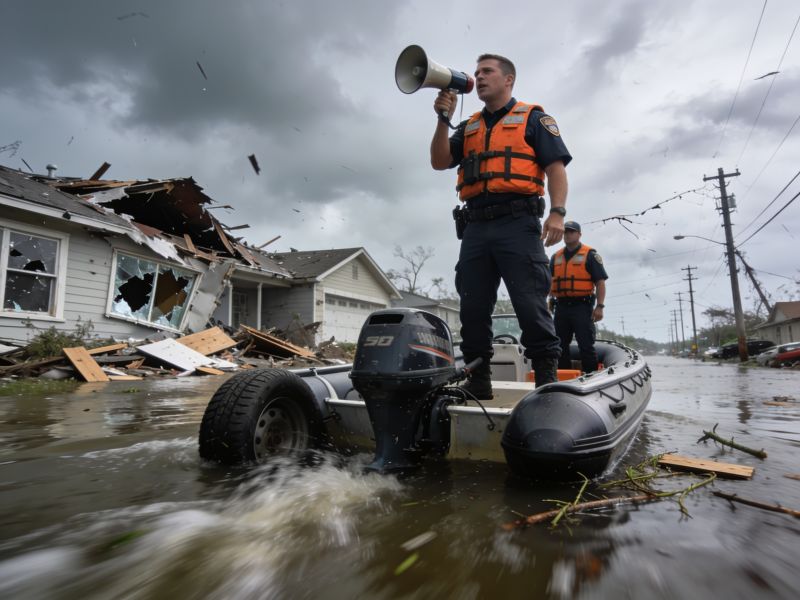
In Tampa Bay, the greatest concern had been storm surge. Forecast models warned that Milton could push several feet of seawater into low-lying coastal areas, particularly around bays, rivers and waterfront neighborhoods. The worst-case surge did not materialize across the entire region, but the danger remained real. Wind-driven rain overwhelmed drainage systems, and water entered homes in communities already vulnerable after earlier storms. Milton also generated an unusually large outbreak of tornadoes before and during landfall. The National Weather Service reported dozens of tornado warnings, with several tornadoes damaging homes。mobile-home parks and agricultural areas along Florida’s east coast. For residents, the danger arrived in bursts: a calm afternoon, a sudden warning, then the sound of windows rattling and debris striking walls.Emergency crews faced a difficult balance between speed and safety. Tree-cutting teams cleared major roads, utility workers searched for broken transmission lines and first responders checked neighborhoods where residents had chosen not to evacuate. Milton’s rapid movement helped limit the duration of hurricane-force winds, but it also compressed the recovery timetable. Floodwater remained in streets after the skies cleared, while fallen trees blocked access to isolated houses. In Pinellas, Hillsborough and Manatee counties, local officials opened shelters and distributed food, water and charging stations. Some residents returned to find refrigerators full of spoiled food and ceilings sagging from water damage. Others discovered that their homes had survived structurally but were still unlivable because of mold。electrical hazards or a lack of clean water. Milton turned ordinary household problems into urgent public-safety concerns.The economic impact extended beyond damaged buildings. Florida’s tourism industry lost hotel bookings。restaurant revenue and several days of normal business during a critical season. Farmers faced losses from wind, saltwater intrusion and prolonged power outages, while small retailers struggled to reopen without refrigeration or internet service. Insurance companies began sending adjusters into affected counties almost immediately, but many policyholders still faced uncertainty over deductibles, flood coverage and repair timelines. Milton exposed a familiar gap in disaster recovery: a house may be insured, yet the family living inside it may not have enough cash to pay for temporary housing or emergency repairs. That gap is especially sharp for older residents and hourly workers who cannot easily take time away from their jobs. The storm did not create every vulnerability, but it made those vulnerabilities visible.
Milton’s aftermath has renewed debate over evacuation planning, coastal development and the reliability of Florida’s power network. Officials will review whether warnings reached residents clearly, whether shelters were accessible and how quickly utilities restored service. Engineers are also examining how newer construction performed against wind and flying debris, while planners weigh stricter standards for properties exposed to storm surge. Climate researchers have repeatedly warned that warmer ocean water can provide more energy for rapidly intensifying hurricanes, although each storm is shaped by its own conditions. Milton offered a sharp example of that risk, strengthening rapidly over unusually warm Gulf waters before weakening shortly before landfall. The people rebuilding along Florida’s coast now face a practical question rather than an abstract one: how much protection is enough, and who can afford it?Milton may fade from the daily headlines。
but the decisions made after the storm will influence the region long after the debris is gone.